Address radiating leg pain at its spinal source.
Sciatica is a symptom, not a diagnosis. Relieving it requires finding the actual source — whether that’s a lumbar disc, a pelvic joint, or a tight piriformis compressing the sciatic nerve.
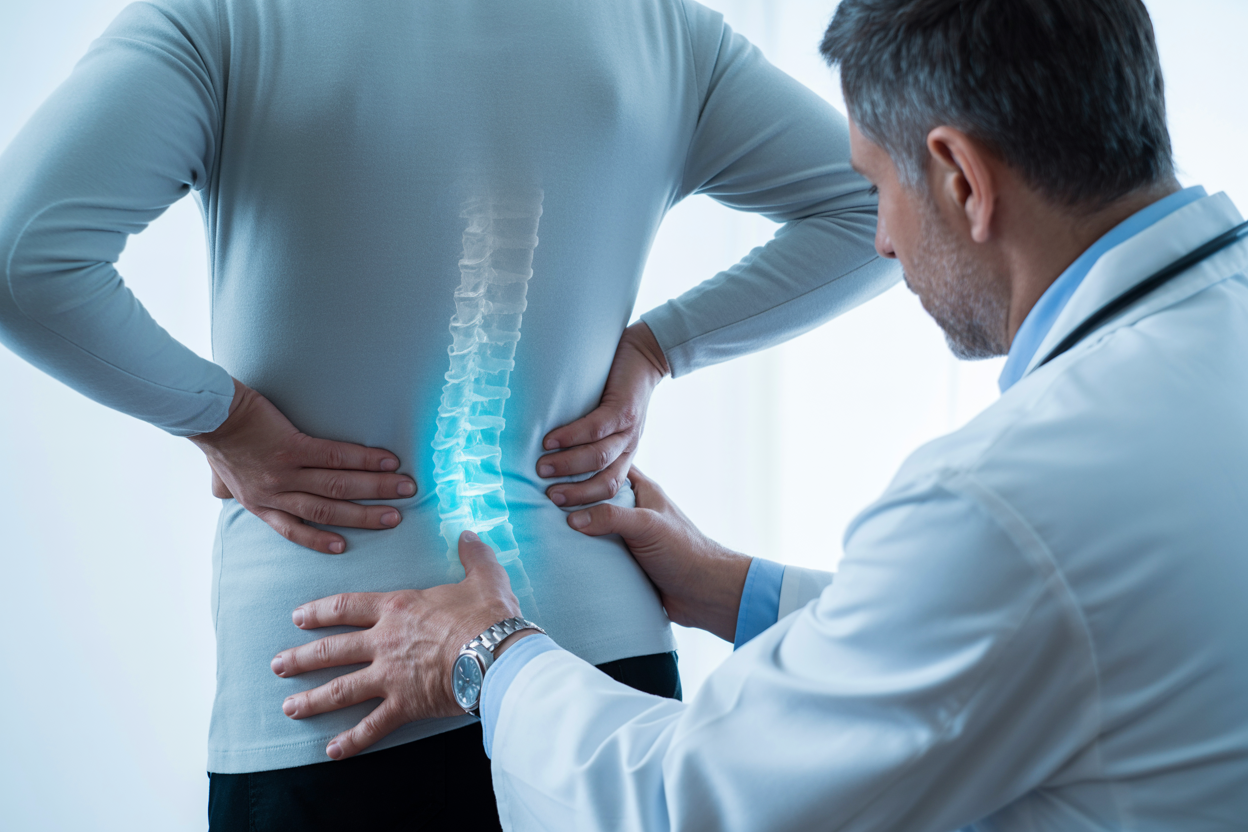
What this care involves.
Sciatica describes sharp, burning, or aching pain that radiates from the lower back through the buttock and down the leg — sometimes reaching the foot. It can be caused by a herniated disc, lumbar spine dysfunction, sacroiliac joint irritation, or piriformis muscle compression.
Because the sources differ, so does the treatment. Dr. Coffey spends real time identifying what’s actually generating your pain — not just labeling it “sciatica.”
Most cases of sciatica improve significantly with conservative care. Chiropractic adjustments, decompression-style techniques, targeted soft-tissue work, and core-stability coaching form the backbone of most plans.
A clear, structured process.
Detailed neuro exam
Reflexes, sensation, muscle strength, and specific orthopedic tests to locate the source of nerve irritation.
Targeted hands-on care
Adjustments, flexion-distraction techniques, and myofascial work to reduce mechanical pressure on the nerve.
Stabilization plan
Core, glute, and hip exercises to keep you out of trouble — plus practical lifestyle guidance.
Conditions we commonly help with
- Lumbar disc-related leg pain
- Piriformis syndrome
- Sacroiliac (SI) joint dysfunction
- Facet joint irritation
- Postural and ergonomic strain
- Post-pregnancy pelvic pain
Potential benefits
- Reduced leg pain, burning, and tingling
- Improved lumbar and hip mobility
- Better sleep and ability to sit/stand longer
- Non-surgical, non-opioid relief
- Stronger core and glute function
- Lower risk of recurrence
Questions about this service
How long until I feel better?
Many patients notice meaningful improvement within the first one to three visits. Complete resolution usually takes several weeks, depending on the cause and severity.
Will I need surgery?
The vast majority of sciatica cases improve without surgery. Dr. Coffey will refer you for surgical consultation only if there are red-flag signs or if conservative care isn’t producing results.
Is it safe if I have a disc herniation?
In most cases yes, with careful technique selection. Dr. Coffey modifies his approach based on imaging and your neurological exam, and avoids anything that could worsen the problem.